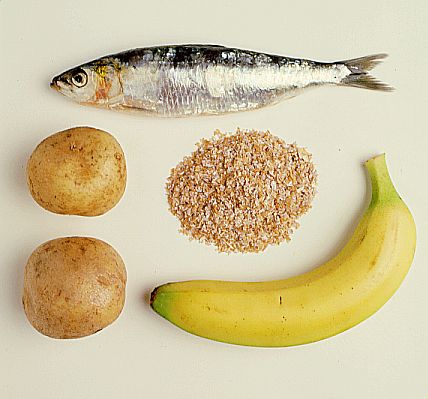
Vitamin B or Vitamin B12 as commonly referred to, is composed of potassium, magnesium, sodium and iron and cobalamin. If not taken it can cause fatigue, but if taken helps the nervous system and brain. The recommended intake is 2.4 micrograms for all teenagers. This vitamin can be found in clams, liver or tuna fish.
Vitamin C is probably one of the most recommended vitamins to take and is composed of the same potassium, magnesium, sodium and iron. It can cause scurvy if not taken. Some sources for this vitamin are fruits (oranges are

Sources/ Links-
http://www.whatdoesvitamincdo.org/
http://thevitaminsource.net/what-does-vitamin-b12-do-for-the-body/
http://ods.od.nih.gov/factsheets/VitaminA-HealthProfessional/#h3
http://michaelmorales.info/tag/examples-of-micronutrients

No comments:
Post a Comment